
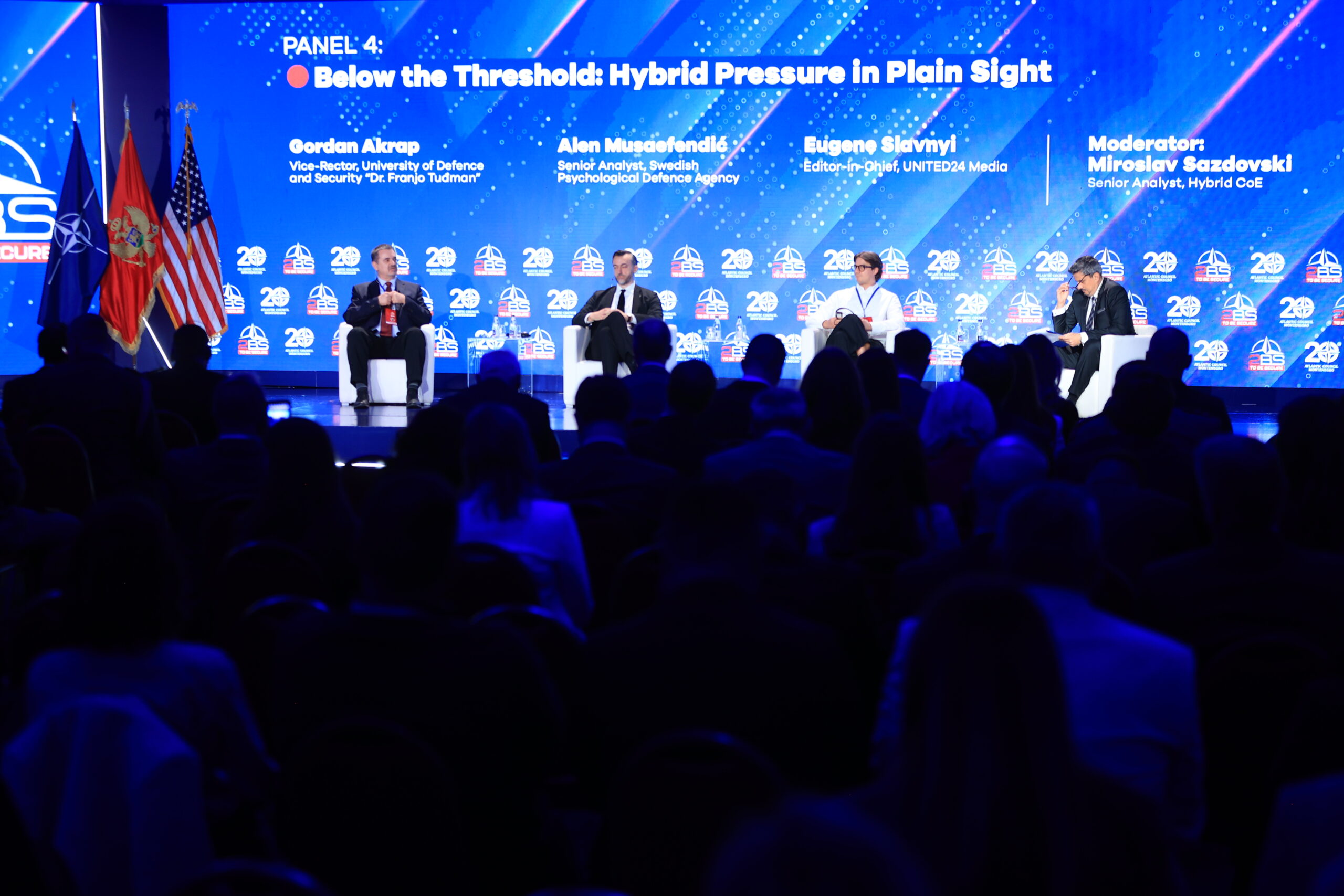
Hybrid threats and disinformation campaigns are posing an increasing challenge to national security, public trust in institutions and the preservation of democratic processes. Strengthening societal resilience, international cooperation and timely public information are therefore essential. These issues were discussed during the panel “Below the Threshold: Hybrid Pressures in Plain Sight” at the 2BS Forum, where participants highlighted the need for a coordinated response to foreign influence operations while safeguarding freedom of speech and media independence.
Gordan Akrap, Vice-Rector of the Dr. Franjo Tuđman University of Defence and Security, said that in recent years, concepts such as hybrid threats and Foreign Information Manipulation and Interference (FIMI) had moved firmly into the public domain, no longer remaining confined to academic circles.
“Understanding these phenomena is crucial. No state or nation can emerge victorious on its own in future wars. No one has sufficient internal, technological and cognitive capacities to independently cover the entire spectrum of defence activities. No government can conduct effective defence operations if there is a deep divide between citizens and the authorities,” Akrap said.
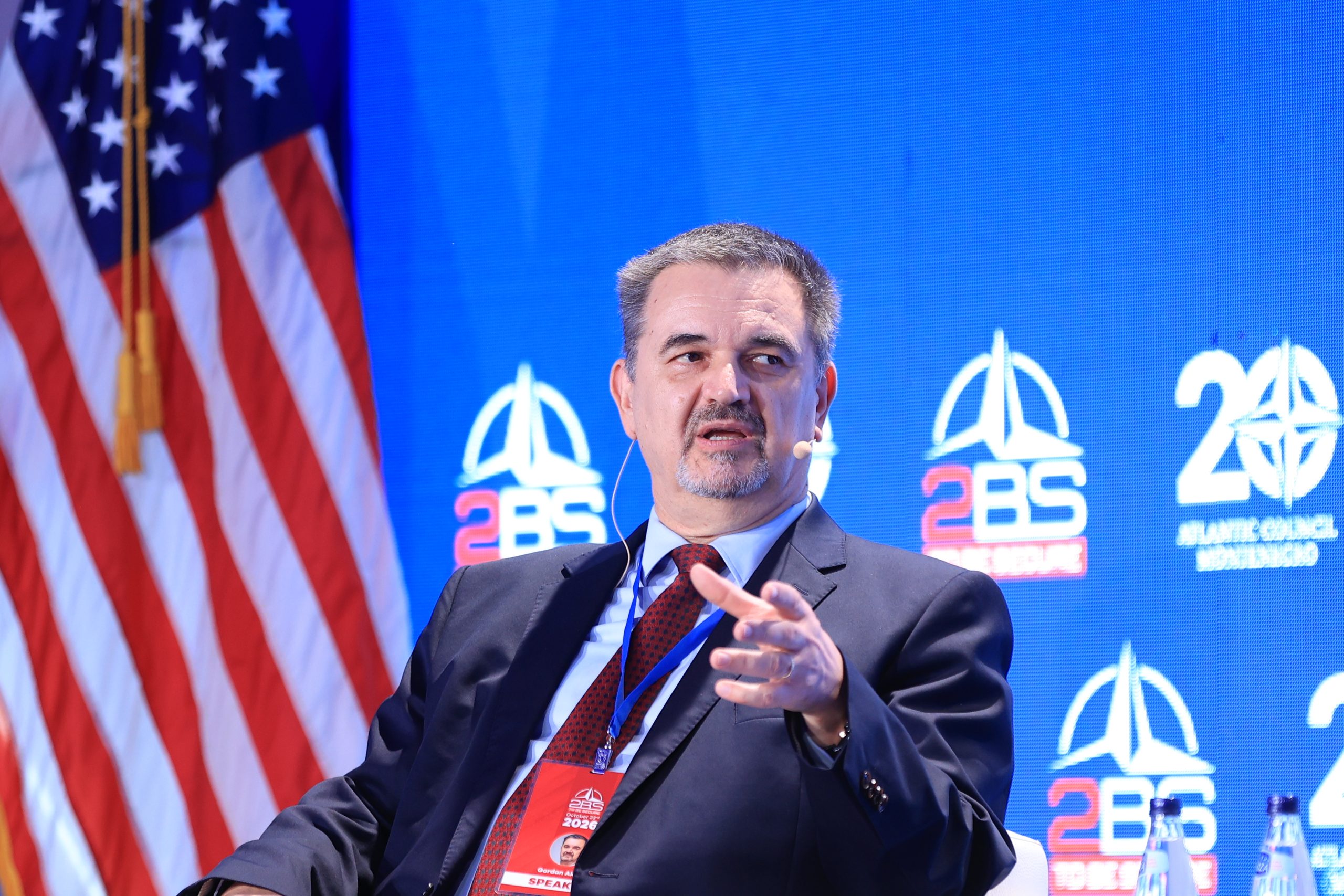
Another prerequisite, the professor noted, is a national consensus among social stakeholders, united around a common centre, with genuine strategic objectives clearly defined and pursued for the benefit of the population.
“We have heard repeatedly today at this panel that Montenegro’s goal is to join the EU, so let me remind you of a conversation. In 1989, I sat down with Franjo Tuđman, then president of the Croatian Democratic Union (HDZ). We were young and discussed Croatia’s accession to NATO. We said that membership in the Alliance was the goal, but Tuđman replied that we were mistaken. He said NATO was a means of achieving a strategic objective: social progress, human rights and freedom. In the same way, joining the European Union is a goal, but also a means of achieving these broader values,” Akrap said.
Akrap also asked: “In which European country can we establish a system of psychological defence, achieve broad political consensus and avoid deepening social divisions without some political circles claiming that the government is trying to control us?”
“This is possible in only a handful of Nordic countries, where there is an exceptionally high level of trust and mutual understanding between society and public administration,” Akrap said.
Asked what message he would offer Montenegro, Akrap was unequivocal.
“Divisions, the language of violence and deep social disagreements pose a serious challenge. Another important element is cooperation and communication, which are fundamental principles of any political action,” he said.
Alen Musaefendić, a senior analyst at the Swedish Psychological Defence Agency, said that countries have different starting points when it comes to countering hybrid threats and foreign information manipulation. Sweden, he explained, benefits from strong institutional support, financial resources and capabilities that many other countries lack, yet it faces similar challenges.
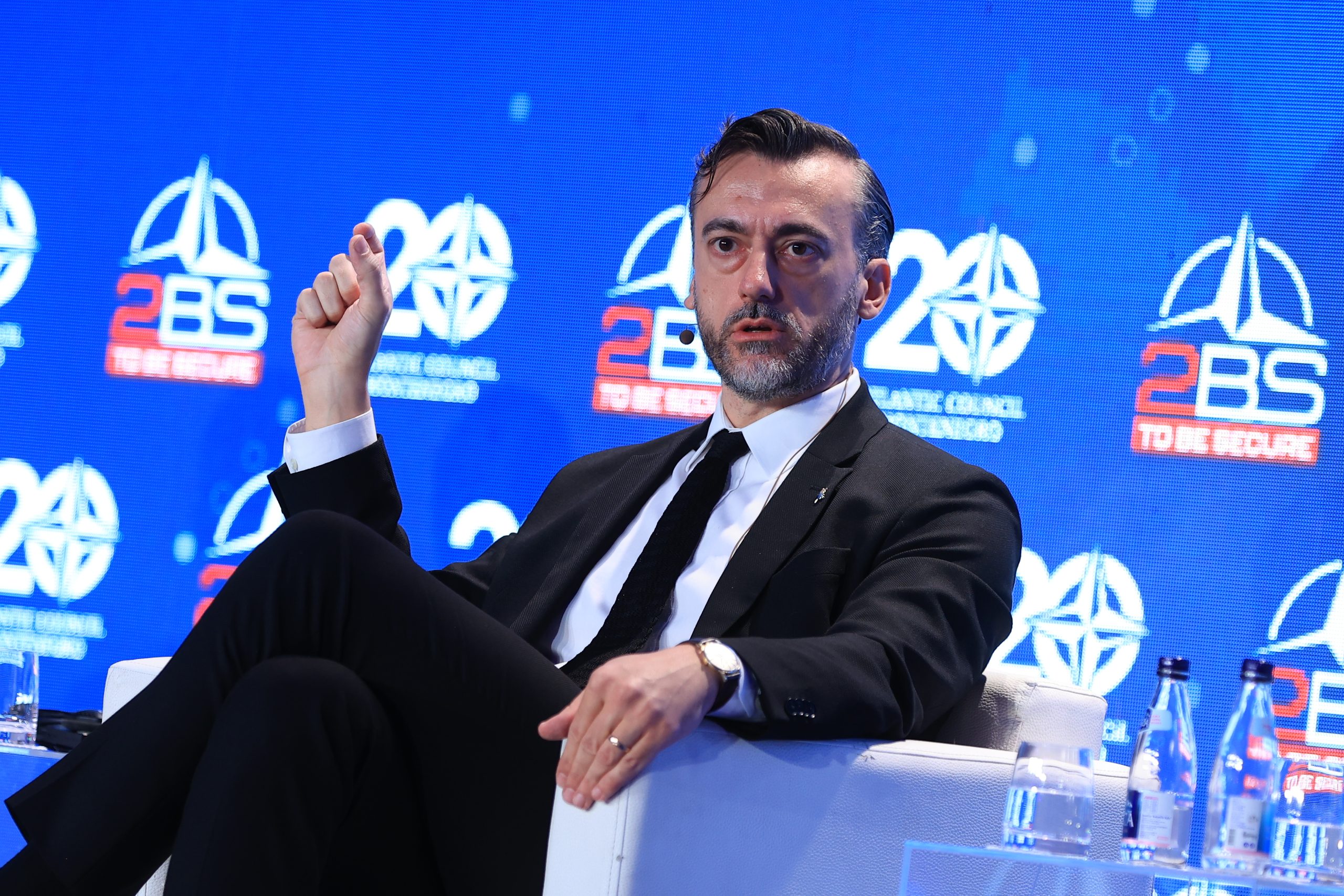
He particularly emphasised that in a country such as Sweden, where freedom of speech is considered a fundamental value, institutions must carefully define the limits of their activities to ensure that their role does not turn into control over public discourse.
“We must be very careful to avoid being perceived as the Ministry of Truth,” Musaefendić warned.
He explained that the approach to combating disinformation has changed. The focus is no longer exclusively on the content of messages posted by particular actors on social media, but also on their manipulative behaviour. This involves identifying coordinated activities across different platforms and large-scale campaigns, using technical and forensic methods to determine whether a state or non-state actor is attempting to undermine democratic processes.
He identified another key principle: focusing on threats originating abroad while clearly distinguishing foreign interference from domestic political debate.
Speaking about cooperation with the media, Musaefendić noted that Sweden has a well-established public service broadcasting tradition and a strong culture of professional journalism. For that reason, the agency does not assume the role of the media in assessing whether information is true. However, the institution is legally required to assist media organisations when they request support.
As an additional form of assistance, he cited funding for journalist training programmes delivered through independent educational institutions and designed to help journalists identify and document malicious foreign influence.
Eugene Slavnyi, Editor-in-Chief of UNITED24 Media, stressed that Russian disinformation campaigns in Ukraine began long before the full-scale invasion in 2022. He said they had been used since at least 2009 to deepen divisions within society, particularly between Russian-speaking and Ukrainian-speaking communities, and to drive a wedge between different regions of the country.
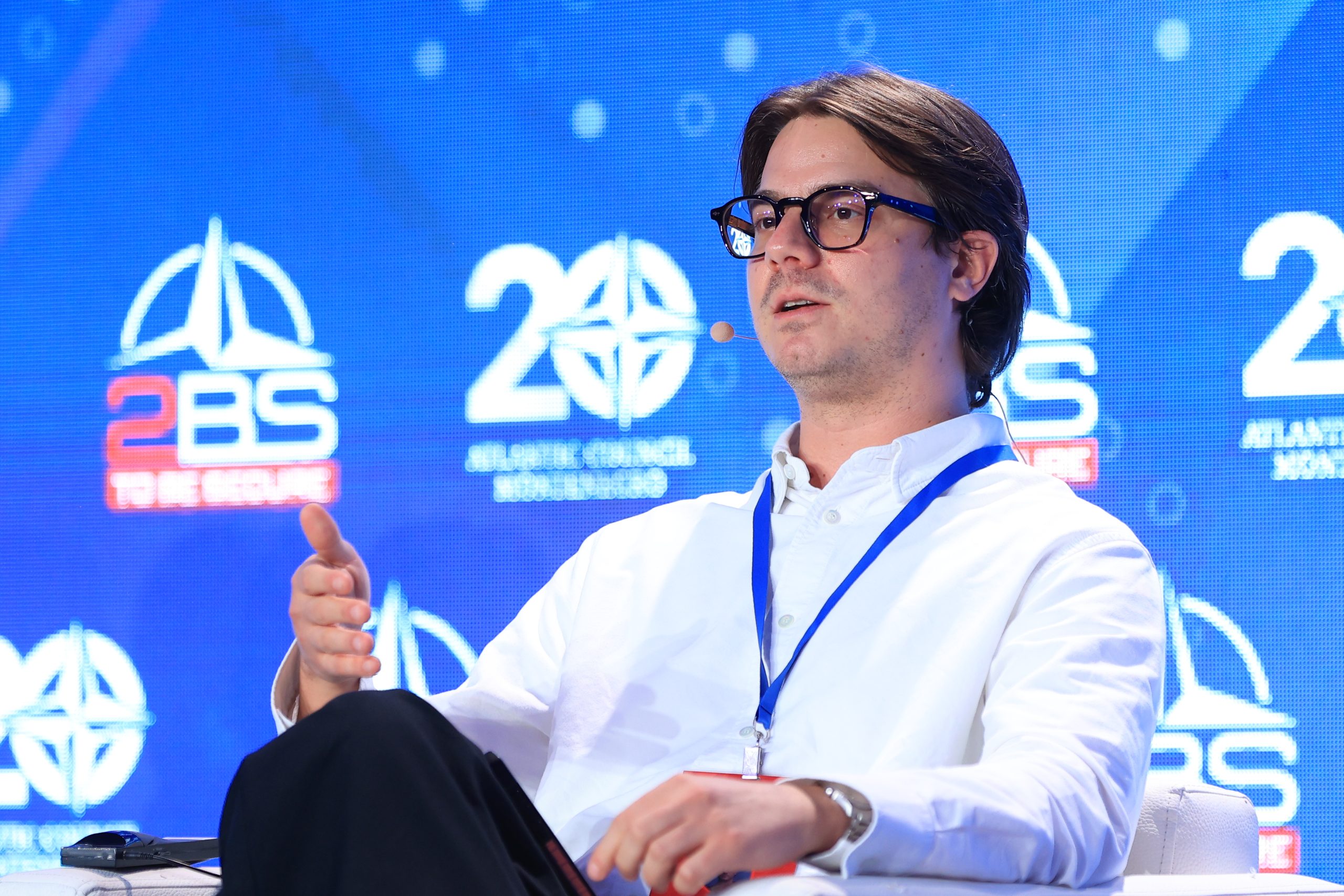
Drawing on his experience as a war correspondent, he said he had witnessed events on the front line first-hand, but that the reality of the war was often not sufficiently felt in other parts of the country, including Kyiv.
According to Slavnyi, Russian influence operations succeeded in exploiting existing social divisions, while Ukrainian media at the time did not always manage to reach international audiences and European political stakeholders effectively.
Slavnyi emphasised that, following the start of Russia’s full-scale invasion in 2022, it was crucial to seize the moment and establish a stronger communications platform capable of providing international audiences with information about Ukraine.
As an example, he cited UNITED24 Media, an international media platform supported by the Ukrainian state, donors and partners. This model, he explained, provides operational stability while allowing a degree of independence in selecting topics and determining how stories are reported.
He noted that the platform reaches a substantial international audience, with around 75 million unique users, including millions of Ukrainians living abroad because of the war.
Addressing the challenges of today’s media environment, Slavnyi said media organisations must have a clearly defined mission and develop communications models that go beyond traditional reporting if they are to ensure that information about Ukraine reaches the widest possible international audience.